If you’re planning a trip to Peru, Cusco is likely your first stop. And while many travelers arrive with their sights set on Machu Picchu, there’s one experience you shouldn’t miss: the Cusco City Tour.
This tour, known locally as the «Circuito Turístico» (Tourist Circuit), is more than just a stroll through cobblestone streets. It’s the best way to acclimatize to the altitude (yes, the infamous «soroche»!) and understand why this city was considered the navel of the world for the Incas.
What does the classic City Tour include?
The traditional tour lasts approximately half a day and combines the majesty of Inca architecture with the richness of the colonial era. Here are the places you can’t miss:
- The Cusco Cathedral
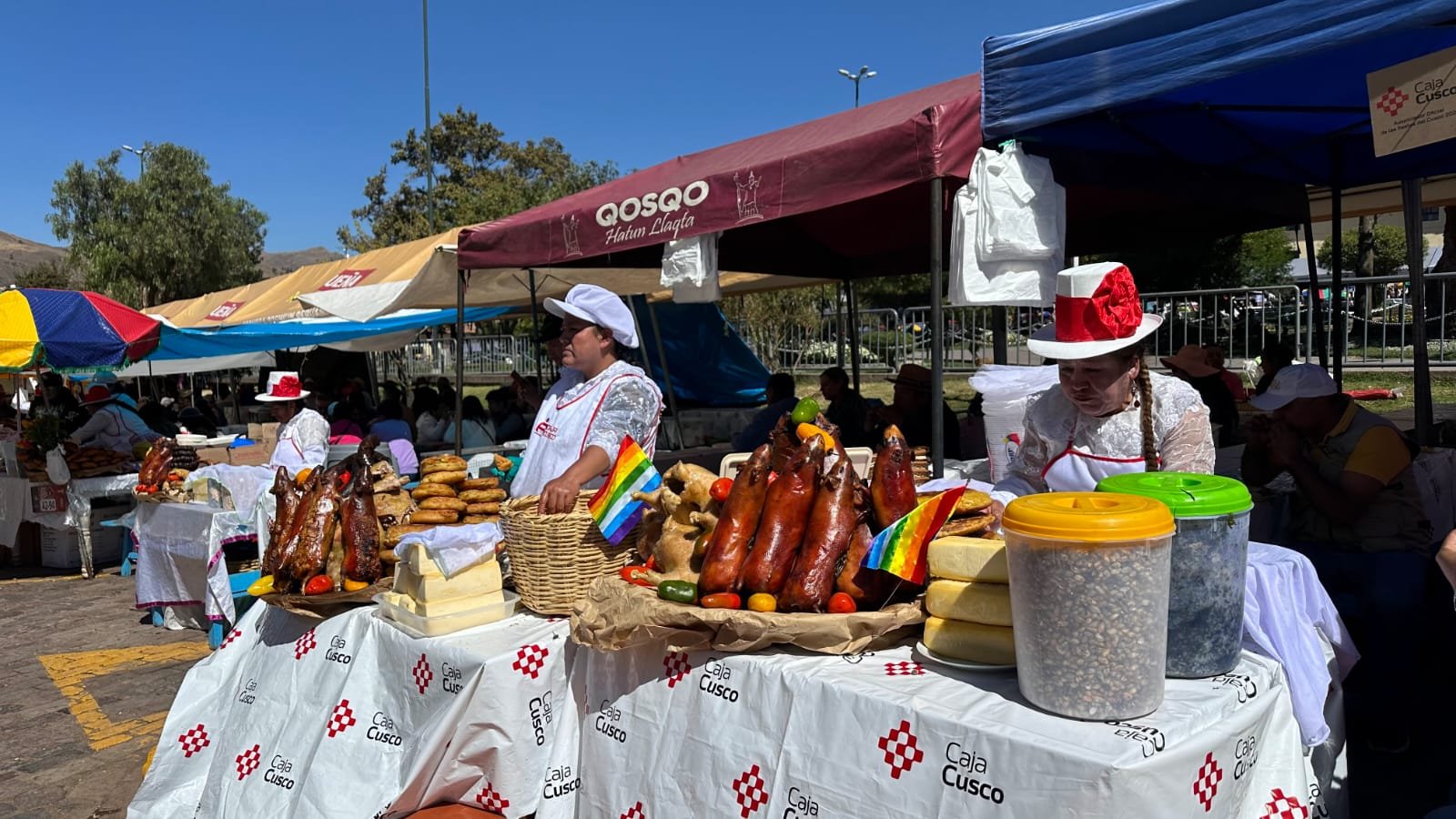
Located in the iconic Plaza de Armas, the Cathedral is a jewel of the Renaissance and Baroque periods. Beyond its imposing facade, it holds fascinating secrets, such as the famous painting of the «Last Supper» where Jesus Christ and his apostles dine on guinea pig (a typical Peruvian dish). It is the perfect blend of European faith and the Andean worldview.
- The Temple of Qorikancha (Temple of the Sun)
Before the arrival of the Spanish, this was the most sacred temple in all of Tahuantinsuyo. Its walls, originally covered in sheets of gold, were a testament to Inca power. Today, the Convent of Santo Domingo stands atop its enormous, polished stone foundations. This architectural contrast is the best example of how two cultures overlapped over time.
- Sacsayhuamán
Prepare to be amazed. Sacsayhuamán is not just a fortress; it is an engineering masterpiece. Its enormous stones, some weighing up to 120 tons, fit together with surgical precision that still leaves archaeologists in awe. From here, you’ll also get Cusco’s most famous postcard view: the panoramic vista of the city shaped like a puma.
- Qenqo, Puca Pucara, and Tambomachay
The tour continues with nearby archaeological sites:
- Qenqo: Known as the Inca «amphitheater,» it was a ceremonial center where rituals were performed in honor of the earth.
- Puca Pucara: «Red Fortress» in Quechua. It functioned as a military complex and a resting place for travelers.
- Tambomachay: Known as the «Inca Baths,» it was a center for water worship. Its aqueducts are still functioning today, a testament to the advanced Inca hydraulic engineering. Practical Tips for Your Tour
To make this experience perfect, take note of these tips:
- Get your Tourist Ticket: To enter the archaeological sites (Sacsayhuamán, Qenqo, etc.), you will need the Cusco Tourist Ticket (BTC). You can buy it at the entrance or at the COSITUC office. The price varies depending on whether you choose the partial circuit (only these sites) or the general circuit.
- Bring cash: While some places accept cards, cash in soles is preferred for buying handicrafts, drinks, or paying for additional services.
- Dress in layers: In Cusco, the weather can change in a matter of minutes. Mornings are usually sunny, but the wind picks up in the afternoon. Bring sunscreen, a hat, water, and a light waterproof jacket.
- Acclimatization: Most tours start between 8:00 a.m. and 2:00 p.m. If you arrived the day before, take it easy. The hike to Sacsayhuamán (located at 3,700 meters above sea level) can be strenuous if you’re not properly acclimatized. Coca tea or coca leaves in your pocket will be your best allies.