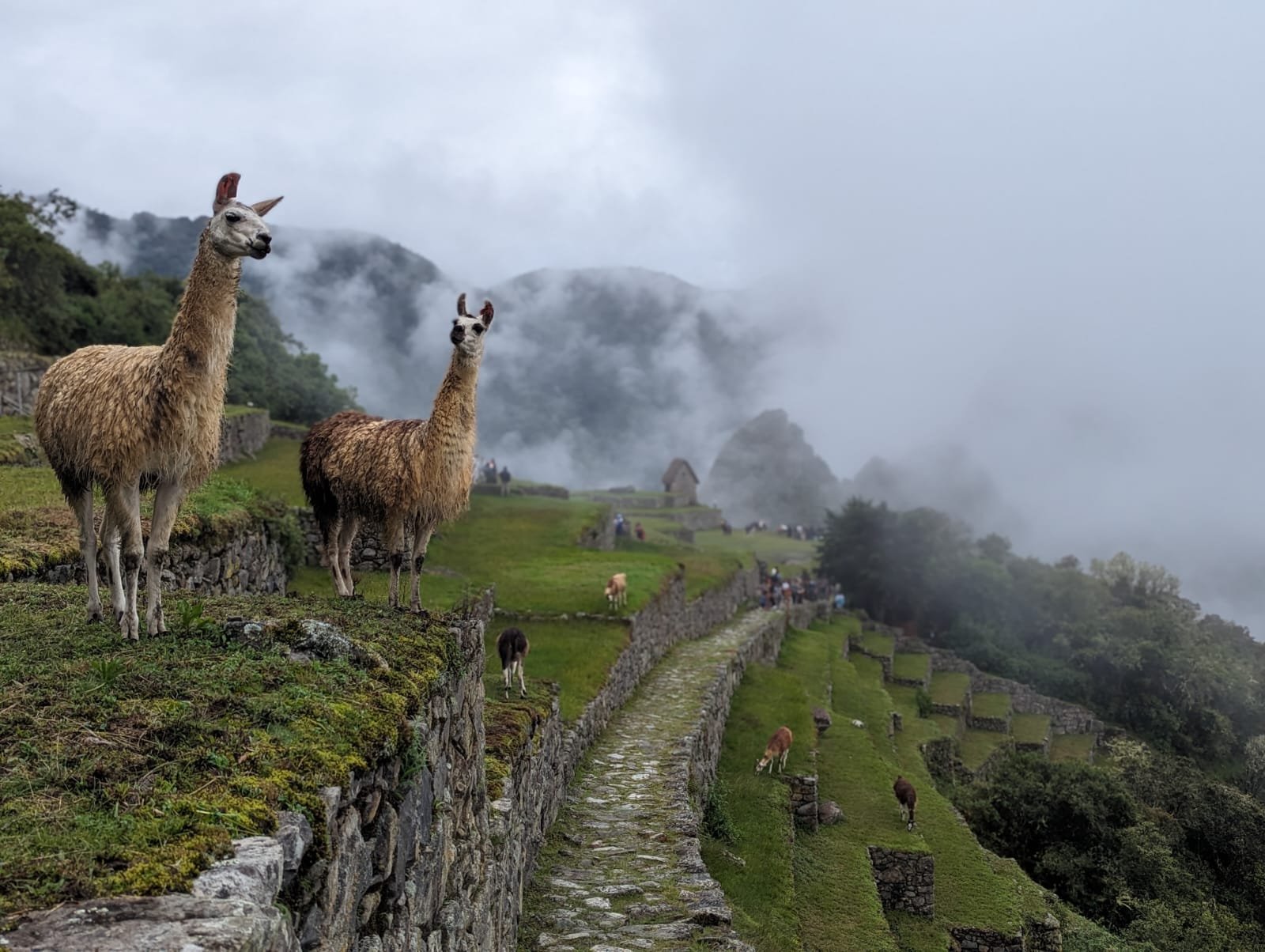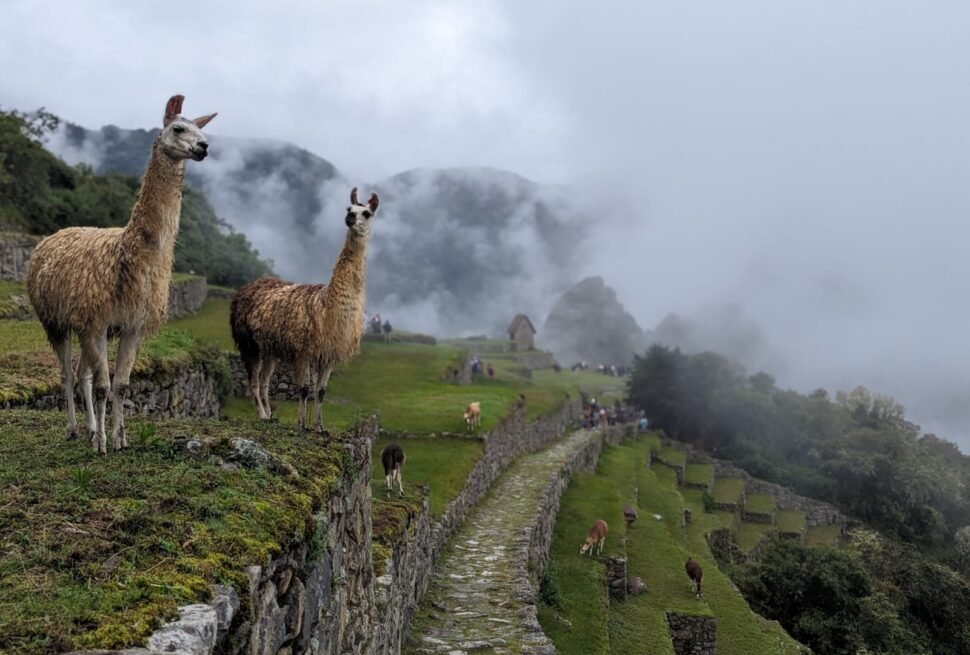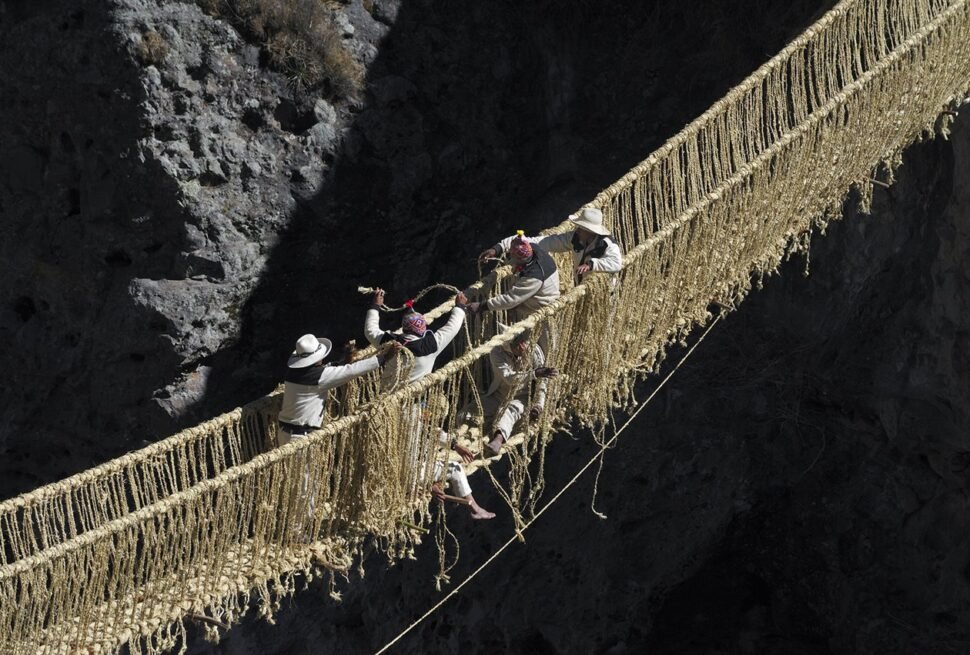
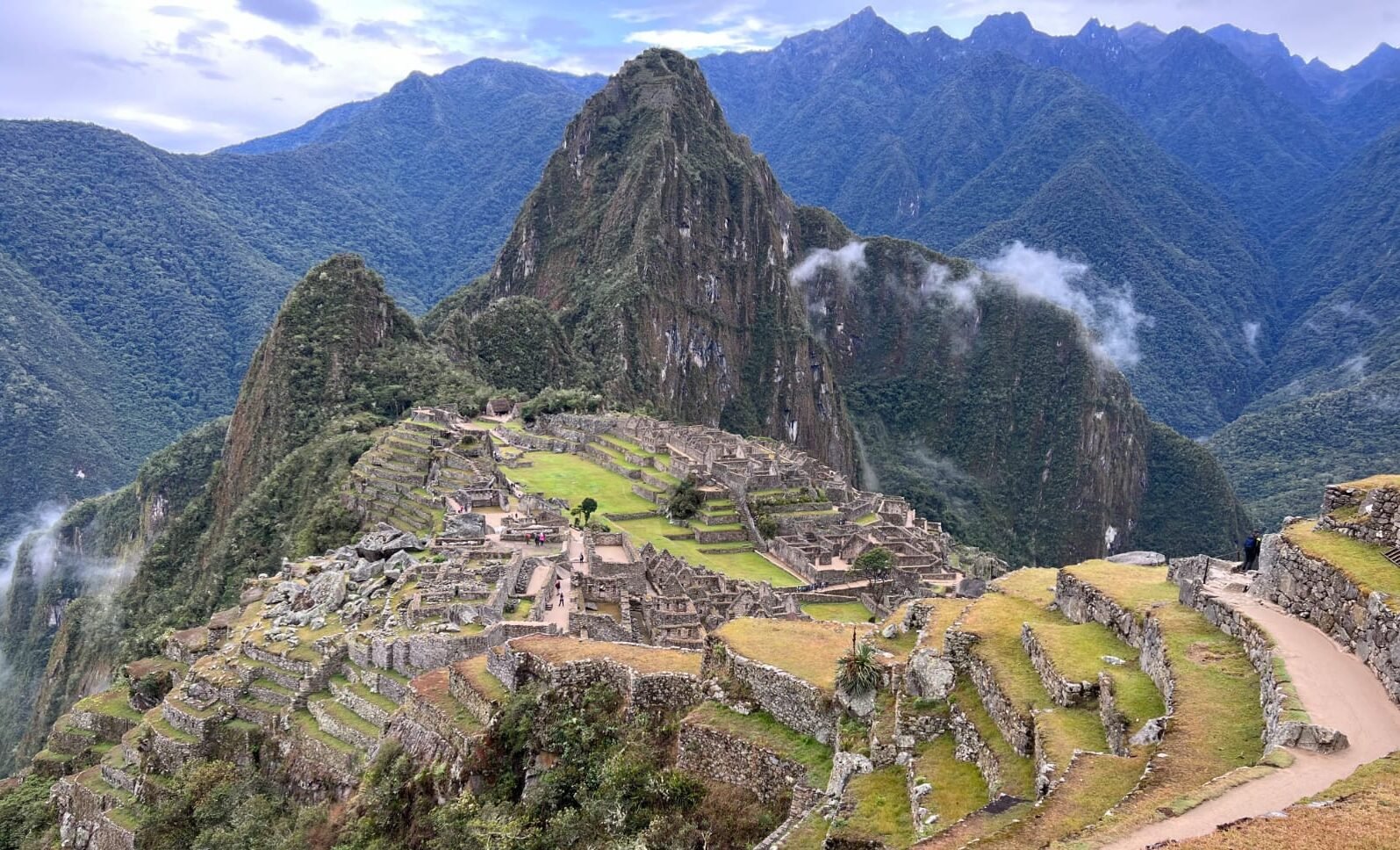
If there’s one hike that deserves a spot on any traveler’s bucket list, it’s undoubtedly the Inca Trail. It’s not just about reaching Machu Picchu; it’s about understanding why the Incas chose this sacred place. After hiking its 43 kilometers, I can say that every step is worth it.
The starting point is a moment of mixed emotions.
The backpack is heavy, the altitude is noticeable, and your mind races. But as soon as you start walking, the noise of the outside world fades away. The first day is an appetizer: the Urubamba River valley accompanies you, the weather is usually pleasant, and the first archaeological sites, like Patallacta, give you a hint of what’s to come.
The second day is the test. And rightly so. The ascent to the Warmiwañusca Pass (4,215 m), colloquially known as «Dead Woman’s Pass,» is the moment when you put your legs and your determination to the test. The feeling of reaching the summit, shrouded in mist and with just enough energy left, is indescribable. You see people from all over the world celebrating, taking deep breaths, and sharing that unique energy.
From there, the path becomes gentler. You descend into the cloud forest, the vegetation changes, orchids begin to appear, and the air feels more humid and fresh. Days three and four are a visual feast: breathtaking Inca ruins like Sayaqmarca, tunnels carved into the rock, and views that seem straight out of a documentary.
Arriving at Machu Picchu: the moment that changes everything
On the last day, you wake up earlier than ever. You queue at the checkpoint with a flashlight, your anxiety palpable. Reaching Inti Punku (Sun Gate) just as the sun begins to illuminate the valley is the ultimate reward. Seeing the citadel from above, after walking for four days along the same paths as our ancestors, brings a lump to your throat that’s hard to put into words.
At that moment, you understand that it’s not just a tourist destination. It’s a place of connection.